
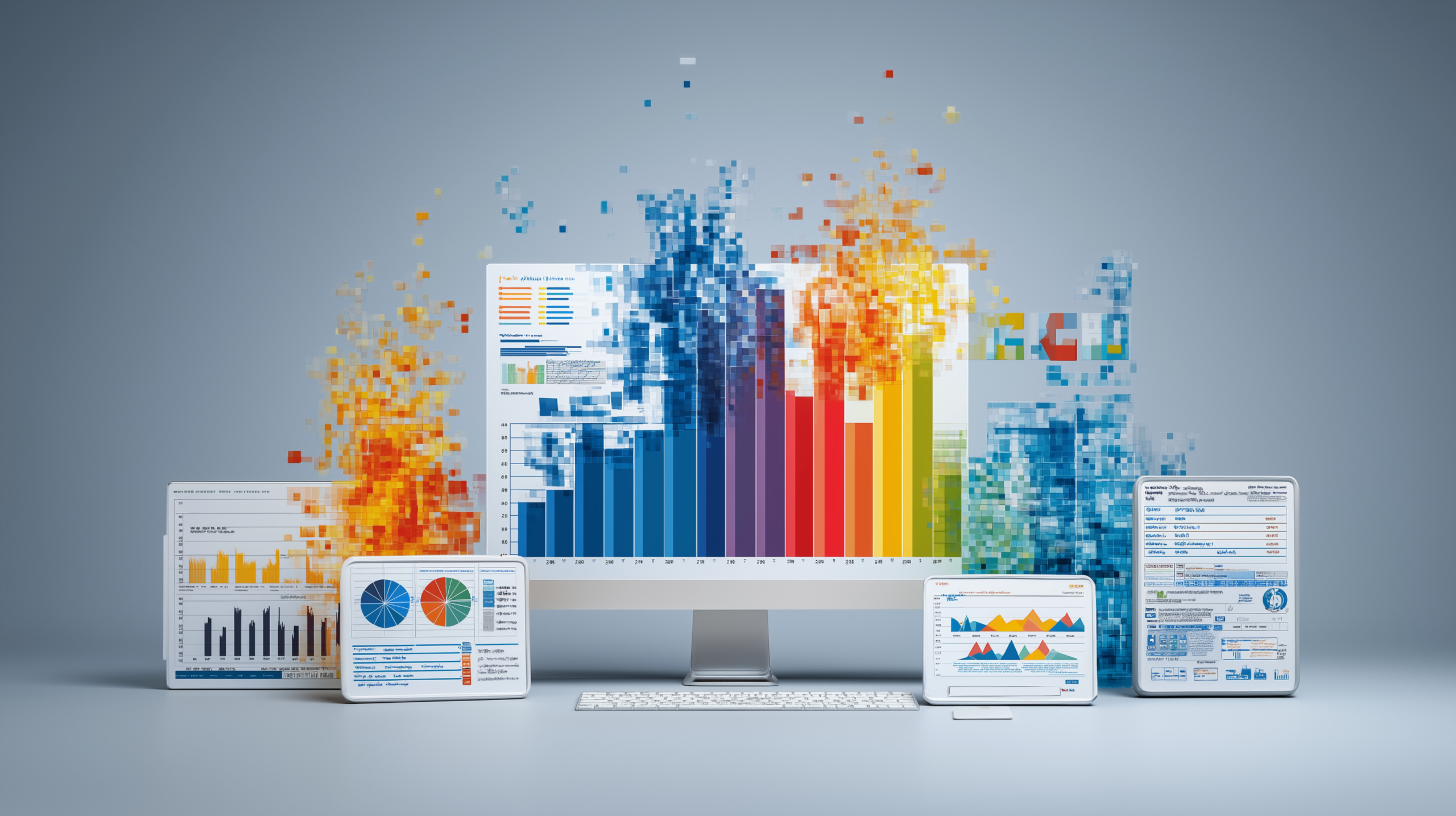
Little known business fact — over 90% of the data generated by companies today goes unused. This staggering statistic highlights a significant gap in how organizations approach their digital analytics. By collecting a wealth of data but failing to transform this information into actionable insights, companies risk significant missed opportunities.
In this Insights article, we’ll explore the common pitfalls of digital analytics, how organizations can prioritize signal over noise, and introduce strategies to design metrics that influence behavior. Get ready to deepen your understanding of decision architecture and use predictive analytics to drive next-best-actions. We’re breaking down effective techniques for harnessing your digital data and turning it into value-driven insights and an effective strategy that can transform your business.
Understanding the Gap in Digital Analytics
As intelligent business insights become the new competitive currency, organizations are inundated with information. While data collection has become easier than ever, the critical transition from data-rich to insight-poor remains a challenge for many. Understanding this gap is fundamental to enhancing your digital strategy.
The problem often starts with how companies define and approach their data. Many organizations invest heavily in collecting data without a clear roadmap for analysis and application. The insight gap occurs when data, instead of being filtered and analyzed for actionable information, becomes an overwhelming flood of numbers and trends that offer little concrete direction.
1. Start With Objectives
To close the gap between data collection and actionable insights, businesses must first establish clear objectives. Understanding what decision-making frameworks will be influenced by your data is critical to managing analytics effectively. Here are some key steps:
- Identify Key Business Goals: Before diving into data collection, organizations should articulate key performance indicators (KPIs) tied to over-arching business objectives. This will provide a guiding framework for data analysis.
- Define Success Metrics: Once objectives are highlighted, determine how success will be quantified. This step often involves a multi-disciplinary approach where marketing, sales, and product teams align on metric definitions regarding business goals.
- Create Hypotheses: Leverage existing knowledge to create hypotheses that can be tested through data. This will create a focal point for your analysis and give you a target to work towards.
2. Focus on Signal vs. Noise
When organizations accumulate vast amounts of data, it’s imperative to differentiate the meaningful signal from the distracting noise. Data can offer critical narratives about audience behavior, but failing to focus on the most relevant pieces can lead to inaction or misguided strategies that waste both time and money.
- Data Cleaning & Filtering: Start with a robust data cleaning process. Eliminate any irrelevant data points that may clutter your dataset. Use automation tools for efficient cleaning without losing significant data, ensuring you’re only left with signals relevant to the established objectives.
- Prioritize User Experience Data: In many cases, user experience data offers valuable insights into customer behavior. Gathering feedback through surveys, usability studies, and direct engagement can provide clearer direction on effective strategies.
- Visualize Data for Clarity: The use of dashboards and charts can transform vague numbers into easily interpretable visuals that highlight important trends versus irrelevant outliers. Data visualization tools such as Tableau or Power BI can assist in making this practice attainable.
3. Develop Actionable Metrics
Transforming data into actionable insights means creating metrics that influence user behavior and organizational decision-making. Here’s how to ensure your metrics lead to action:
- Use SMART criteria: Metrics should adhere to Specific, Measurable, Achievable, Relevant, and Time-bound standards. This creates clarity on what your targets are and provides benchmarks for progress.
- Leverage Predictive Analytics: Embrace technologies that allow organizations to utilize historical data to predict future outcomes. This data-driven approach is pivotal in crafting marketing strategies that target users proactively rather than reactively.
4. Build a Decision Architecture
Building a structured decision architecture can streamline how companies utilize digital analytics. Data-Driven Decision-Making (DDDM) is the process of leveraging data and analysis to inform business decisions, identify patterns, predict trends, and measure outcomes. The framework should encapsulate essential conversion touchpoints, ensuring that data collection informs strategic directions across all teams.
The process can be broken down into a series of steps that connect data strategy to practical decision-making:
- Define Clear Objectives: Start by identifying the specific business problems or goals the decision architecture aims to solve (e.g., improving operational efficiency, enhancing customer experience).
- Identify Data Sources: Determine which internal and external data sources are relevant to the objectives. This involves understanding what data is needed and where to find it.
- Organize and Store Data: Design the physical data architecture (e.g., data warehouses, data lakes, data fabric) to store and manage the collected data in a secure, scalable, and organized manner. Use tools for data integration and processing.
- Perform Data Analysis: Use analytical techniques, including business intelligence (BI) tools, predictive analytics, and potentially AI/ML models, to process the data and extract insights. Data visualization is crucial at this stage to make complex data understandable.
- Draw Conclusions and Inform Decisions: Translate the analytical insights into concrete conclusions and recommendations. This is the stage where data directly informs the choices to be made, ensuring they are based on facts rather than bias.
- Implement and Monitor: Put the decisions into action and use data feedback to continuously monitor their impact and refine the process iteratively.
5. Case Studies of Successful Analytics Implementations
Examining successful case studies can provide valuable insights into how organizations are overcoming the misuse of their digital analytics.
- Example 1: Retail Success with Predictive Analytics: A major retail chain implemented an AI-powered analytics system that allowed them to monitor customer purchasing patterns. By analyzing these patterns, they could create targeted campaigns that led to a significant increase in conversion rates.
- Example 2: News Outlets Using Engagement Metrics: Some media outlets have switched their focus from clicks to engagement metrics that reveal how long users engage with content. This shift allowed them to produce quality articles that resonate more with their audience, rather than chasing after virality.
Where Do We Go From Here?
In summary, transforming the flood of data into meaningful insights doesn’t happen overnight. It requires a structured approach that emphasizes clarity, strategic alignment, and ongoing experimentation. Companies that successfully navigate the challenges of digital analytics can drive significant value from their efforts and turn insights into actionable wins. More importantly, it’s critical to recognize that data must not simply be collected…. It must be effectively utilized to inform strategy and operations.
So, what’s the next step for your organization? Schedule a complimentary consultation to harness the power of your digital analytics and drive your business forward. Remember, embracing data is not just about collection but about creating insights that inspire action.