

Are you feeling a little overwhelmed by the saturation of AI technology in marketing? Between chatbots, automated messages, and algorithm-driven content, it feels like brands are losing their human touch. An overly tech-driven approach can alienate potential customers rather than engage them.
In this Insights article, we’ll explore the importance of authentic storytelling in the age of AI and how it can help maintain emotional resonance and clarity in your marketing strategy. We’ll also explore how utilizing StoryBrand principles can enhance your brand’s narrative, making it not just relevant but also relatable in today’s marketplace.
Navigating the AI Landscape in Marketing
In our rapidly evolving digital world, marketing professionals are increasingly turning to artificial intelligence to enhance their campaigns. From automating mundane tasks to analyzing consumer behavior, the potentials seem endless. However, while the technology provides efficiency and data-driven insights, it can lack the emotional depth that genuine storytelling can offer.
When we think of storytelling, we think of connecting with our audience on an emotional level. A well-crafted narrative can evoke feelings, inspire action, and foster loyalty. But how does one maintain this emotional connection when utilizing AI?
Emotional Intelligence in AI Marketing
Understanding the balance between tech efficiency and human storytelling is critical. While AI can analyze data to reveal what resonates with audiences, it cannot truly understand emotions. Thus, marketers need to apply emotional intelligence to their strategies, ensuring they do not fall into the trap of robotic communication.
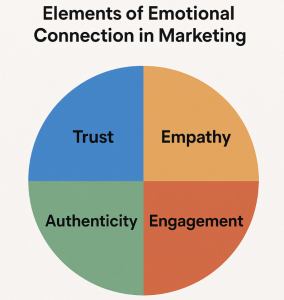
- The Role of Authenticity: Authenticity is essential in storytelling. Audiences today crave transparency; they want to see behind the curtain of a brand. Leveraging storytelling connects your customers to your brand’s values, mission, and people. Whether it’s through customer testimonials, case studies, or brand histories, authentic stories will make your messages resonate.
- The Emotional Core of Storytelling: A successful story revolves around a fundamental emotional truth. Consider the archetypes of classic stories—triumph over adversity, the hero’s journey, or the battle for justice. These themes connect deeply with human experiences. In the context of AI, these timeless narratives can be woven into content, giving it depth. Instead of solely focusing on features and benefits, include stories that showcase how your products or services impact real lives positively.
Implementing StoryBrand Principles
- The Character: In StoryBrand’s framework, the customer is the hero, not your brand. Your storytelling should revolve around how you can act as a guide in your customers’ journeys. Positioning your brand as a character working alongside them gives your marketing a human element.
- Problem Solving: Clearly define the problems your target audience faces and how you solve them. Your story should illustrate this journey in relatable terms. For example, if you’re a software company, describe a day in the life of your target user and how your product alleviates stress or inefficiencies.
- Creating Clarity: Simplicity is key. Your storytelling should present straightforward messages that are easy to grasp. Avoid jargon and overly complicated language. Clear messaging helps to ensure that your audience isn’t just reading, but feeling and understanding your narrative.

Blending AI and Human Elements
- Data-Driven Insights with a Human Touch: While AI can provide insights into customer behavior, demographic preferences, and market trends, it lacks the intricate understanding of human emotions. Use AI’s analytical capabilities to inform your storytelling but ensure the final message is crafted with empathy and authenticity. After all, it’s about striking a balance—using data to understand what resonates while infusing the human element that builds connections.
- Crafting Personalized Experiences: AI can help personalize communication, but the storytelling must still reflect empathy. Creating tailored experiences for customers means understanding their unique journeys through your market. Incorporate personal stories that align with customer experiences to show you genuinely understand their needs.
Actionable Steps to Integrate Storytelling in Your AI Strategy
- Identify Your Audience’s Emotional Triggers: Begin by analyzing your audience’s behavior and preferences using AI tools, but ensure to integrate empathy in your communication. What are their pain points? What kind of stories resonate with them?
- Craft Compelling Narratives: Develop customer-centric stories that reflect your brand’s values and mission. Focus on real-life scenarios that highlight the emotional impact of your products or services.
- Utilize Multimedia Content: Experiment with different content formats. Written narratives, videos, and infographics can all convey your message differently and engage your audience more effectively.
- Test and Iterate: Using AI analytics, test how your stories perform. Implement feedback loops to continuously refine your messaging based on audience reception.
- Building Community through Storytelling: Encourage your customers to share their stories related to your brand. User-generated content is an incredibly powerful tool for storytelling, showcasing real-world use and authentic customer experiences.
The Future of Marketing in an AI World
As AI continues to evolve, it will undoubtedly play a central role in marketing strategies. However, the brands that will truly thrive will be those that emphasize the human element in their communications. Brands should not use AI as a substitute for human connection, instead leveraging it to enhance their storytelling.
The synthesis of technology and storytelling allows for a richer customer experience and fosters loyalty. A human-centric approach is not just a trend; it’s the future of marketing in an AI-driven world.
So, What’s Next?
Storytelling remains the most powerful weapon in your marketing arsenal, even more so in the era of AI. By grounding your messaging in real human experiences, aligning it with your customers’ emotions, and using techniques such as the StoryBrand framework, your marketing can stand out amidst a sea of robotic messages.
A brand’s ability to deliver a message that resonates emotionally will always have a significant impact on consumer behavior. The key to great marketing today is not just the tools you have at your disposal but how you choose to use them.
So take the first step today: integrate storytelling in your AI strategy and encompass your customers in an engaging narrative that highlights your brand’s humanity. Not sure where to begin? Schedule a complimentary consultation to learn more about crafting your brand’s story that cuts through the clutter.